Genesis AI, a startup teaching robots to perform physical tasks by learning from human movements, announced Tuesday that it raised $500 million in Series A funding at a $3.5 billion valuation, according to Crunchbase News. Premji Invest, Khosla Ventures and Eclipse co-led the round, and the financing brings Genesis AI’s disclosed funding to $605 million since its 2024 inception, according to Crunchbase News.
Round syndicate and disclosed funding history
Genesis AI previously raised $105 million in a round announced in July 2025, according to Crunchbase News. Other participants in the new financing include T. Rowe Price Associates, Durable Capital Partners, Bpifrance, HSG, Nvidia, AMD Ventures, Zoom, Samsung Next and Ericsson, according to Crunchbase News. Individual backers include Eric Schmidt, Eric Yuan, Jerry Yang, Xavier Niel and Zach Kirkhorn, according to Crunchbase News.
Product focus, initial markets, and use of proceeds
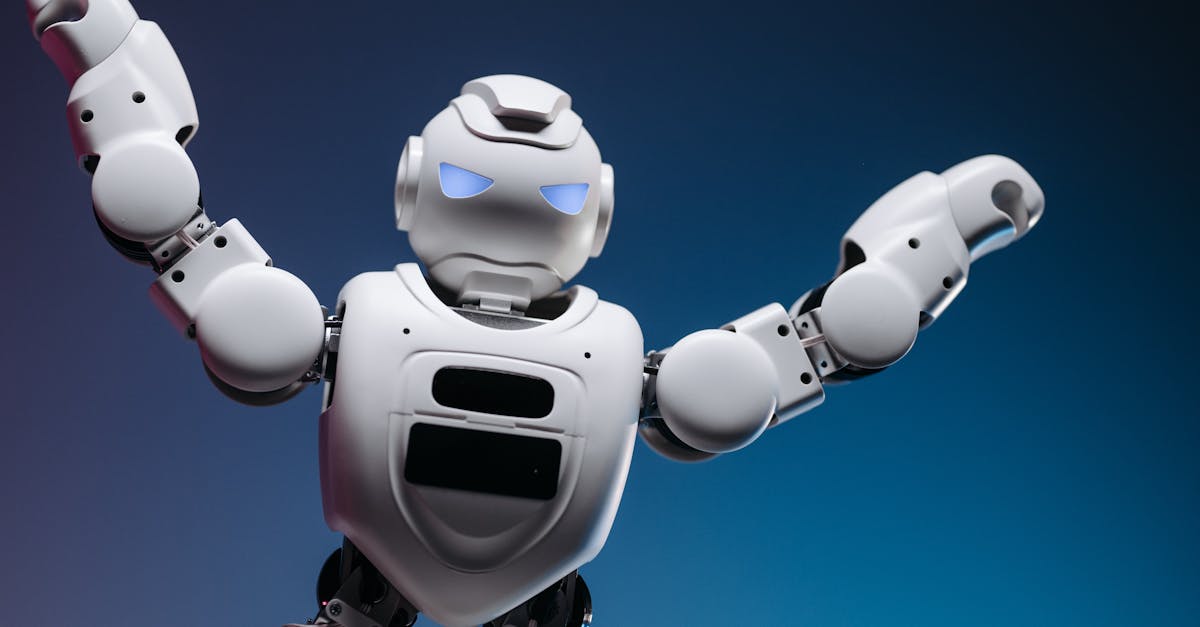
Genesis AI is developing both robots and the AI software that controls them, according to Crunchbase News. Its approach combines recordings of human hand movements with training in simulated environments, where robots can practice skills before attempting them in the physical world, according to Crunchbase News. Genesis is initially targeting manufacturing, logistics and laboratories with its robot, Eno, according to Crunchbase News.
The company plans to use the capital to expand its computing infrastructure, increase robot production and hire more employees, co-founder and CEO Zhou Xian told Crunchbase News. Genesis has close to 100 employees, according to Crunchbase News. Genesis is headquartered in Paris, with offices in San Carlos, California, according to Crunchbase News.
Data collection and simulation stack
Genesis works by using cameras and gloves to capture people’s hand and finger movements as they work, along with touch information, according to Crunchbase News. The company says its robotic hand closely matches the human hand and recording glove, making it easier for robots to learn those movements, according to Crunchbase News. Zhou Xian said that historically, collecting this kind of training data involves hiring people to remotely control robots, and he said Genesis aims to collect it from people doing their regular jobs instead, according to Crunchbase News.
Those recordings help train the company’s AI model, GENE, according to Crunchbase News. Genesis also uses its simulation software, Genesis World, to train and test robot skills in virtual environments, according to Crunchbase News. The company claims this speeds up a process that would take longer with physical machines alone, according to Crunchbase News.
Company origins, commercial model, and market funding data
Genesis traces its origins to a research collaboration Xian started in 2022, also named Genesis, while he was pursuing a robotics Ph.D. at Carnegie Mellon University, according to Crunchbase News. After graduating at the end of 2024, Xian teamed up with Theophile Gervet and decided to start a company, and Genesis formally launched in March 2025 and expanded beyond simulation into AI software and robot hardware, according to Crunchbase News.
Genesis is exploring a rental model in which customers would pay for the robot and its software as a combined service, according to Crunchbase News. The company has announced a partnership with LG CNS and has other Fortune 500 companies in its prospective customer pipeline, and Xian declined to disclose revenue and did not provide a paying customer count, according to Crunchbase News.
Genesis says it is ramping up Eno production for industrial customers, and it plans to expand into hospitality and healthcare, then consumer and outdoor uses, according to Crunchbase News. Venture funding to robotics startups has soared in 2026, with most of the investment going to companies based in China and the U.S., and global venture funding to robotics startups totaled $9.9 billion in Q3, more than double the $4.3 billion invested in Q3 2025, per Crunchbase data, according to Crunchbase News.