
IPO Threshold Rise Leaves Mid-Sized Firms Without Exits
The bar for going public has moved higher over decades, leaving thousands of US companies with $50 million to $200 million in annual revenue without viable IPO exits. In 1980 the median company went public with around $64 million in revenue in today’s dollars. Today typical candidates carry revenue levels that once defined mid-cap public companies.
Listed Company Count Declines
US stock exchange listings dropped from more than 8,000 companies in 1996 to fewer than 4,000 now, even as the economy tripled in size, according to Crunchbase News. The IPO market is not closed but has steadily shrunk. Headline offerings from companies such as SpaceX, OpenAI and Anthropic occur each cycle yet remain exceptions rather than indicators of broader access.
Employees and Funds Face Liquidity Pressure
Employees at these private companies accepted below-market salaries in exchange for equity that has not become liquid. Venture funds show Distributed to Paid-In capital near historic lows. Limited partners are holding back re-commitments or concentrating allocations in megafunds. Mid-tier managers without DPI struggle to raise successor vehicles.
Secondary Volume Concentrated
A small number of companies run tender offers. For remaining firms the market consists of brokered secondaries that function slowly. According to Caplight data cited in Crunchbase News, 90 percent of all venture secondary volume last quarter occurred in just 15 companies.
Historical Parallel to Curb Trading
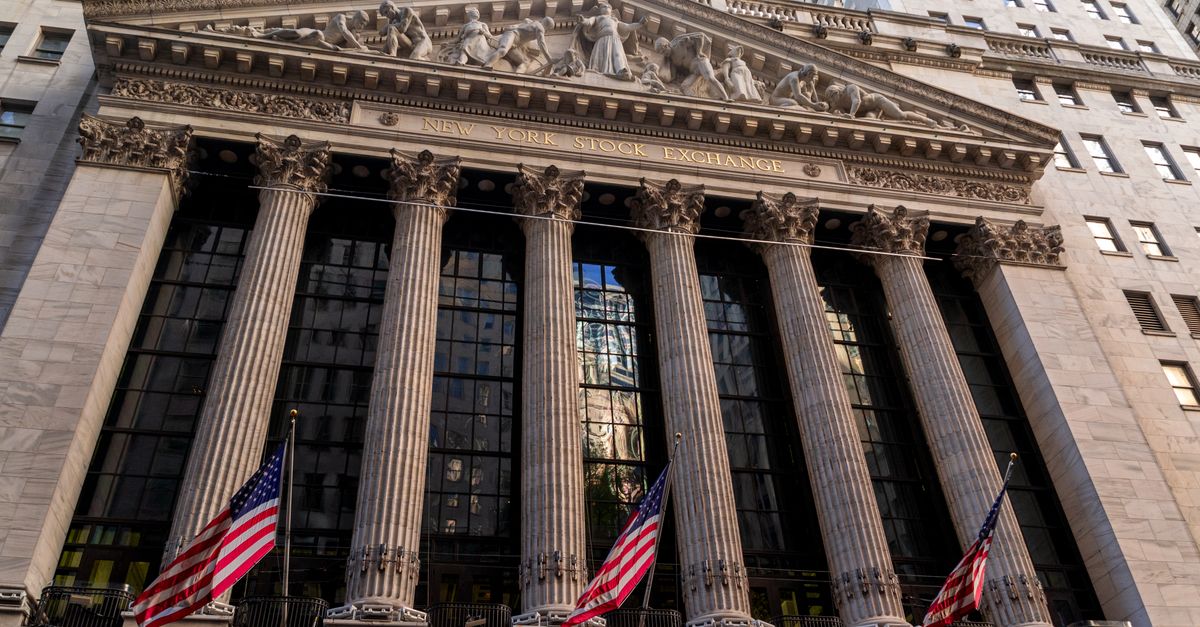
The current private secondary market resembles late-1800s curb trading outside the New York Stock Exchange, where unlisted companies changed hands informally. That activity later organized into the American Stock Exchange. The infrastructure for a broader private secondary market does not exist at scale yet, according to Crunchbase News.